darblanci.com

What we do

Our website is dedicated to the three sports that stir the emotions of fans around the world: football, tennis and cycling. It's not just about scores and figures. We explain how events unfold, why they happen as they do and what lies behind the victories or defeats. It's a place for those who want not just to watch, but to understand. Here, you can make your own predictions, share your opinions and feel part of a group of people who, like you, are interested in sport not on the surface, but in all its depths.

Our approach to predictions

We never reduce everything to 'probabilities' without explanation. If we think a team has a better chance of winning, we always explain why: who is injured, how fit the goalkeeper is, what changes the coach has made. It's the same with tennis or cycling: we don't just say "this one will win", we describe the factors that could influence the outcome. In this way, the prognosis becomes not only a conclusion, but also a logical story.

Who is our site aimed at?

There's something for everyone. For those new to predictions, we offer simple explanations and overviews where everything is presented clearly and concisely. Those who have been following the sport for a long time will find it interesting to read detailed analyses that take into account dozens of factors, from a player's form to the competition calendar. In all cases, we strive to write in a lively and understandable way, rather than in a dry and 'official' manner.

Reviews

Aoife 31 y.o

It's easy to find what you're looking for on this platform, and it doesn't take much time. With the prediction feature, you can get pre-match channels for better navigation.

Niamh 26 y.o

You can quickly get an idea of the teams' status after reading this report, which summarises all the analyses concisely and to the point.

Cian 41 y.o

It integrates statistics well with reviews. There are also no ads that pop up intrusively and distract from reading.

Ronan 44 y.o

It is worth reading the tournament reviews carefully. The entire site has a logical structure that makes it easy to find any specific event or sport.

Rein 28 y.o

All the features you might need on the platform work smoothly, and the data is constantly updated. Thanks to this feature, you can now conveniently follow several sporting events at the same time.

Noa 37 y.o

This is a relatively informative statistics section. You can clearly see both the form of the teams and the dynamics of their recent games against each other.

Football: team strength and character

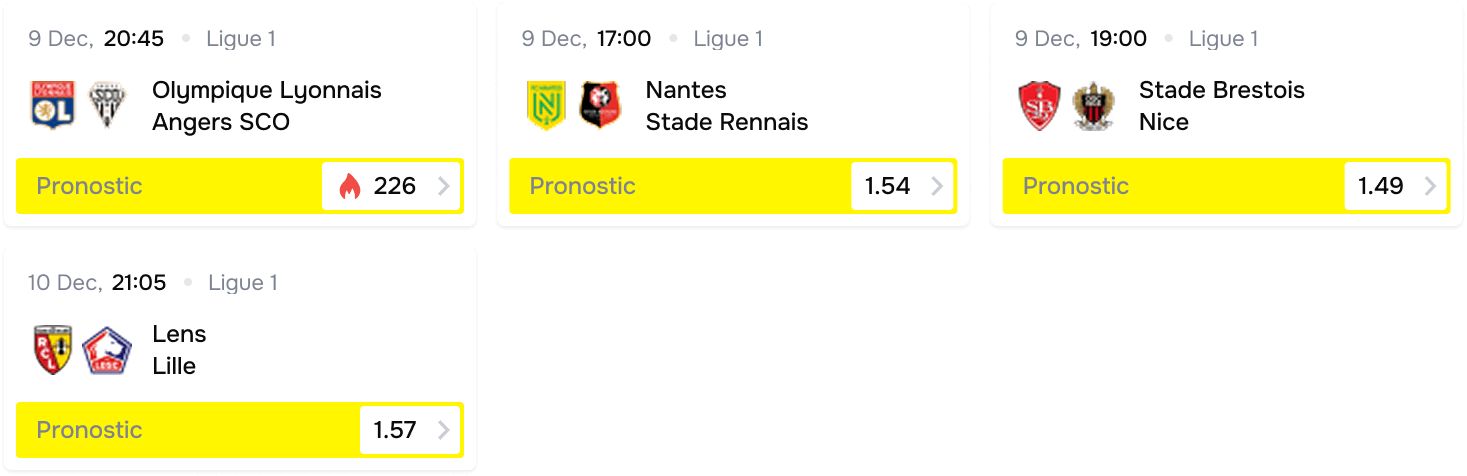
In football, there's always something unpredictable, but there's a logic behind every result. Why do some teams win and others lose? The tactics of the coach, the form of the players and even the atmosphere in the stands all play an important role. When we make predictions, we don't base them solely on the standings. We analyse how the game develops after substitutions, how the team behaves under pressure from the opposition and how the defence performs in decisive moments. It's these little details that help us understand the future result.

Container (1)

Our forecasts are based on facts and statistics, not on suppositions.

Tennis: a head-to-head battle

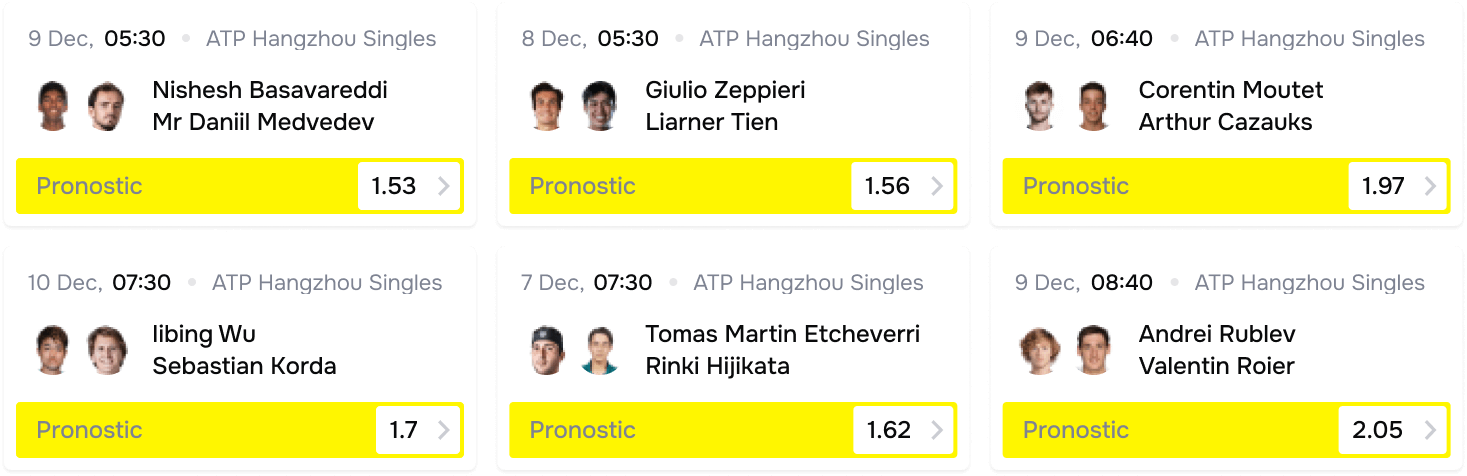
Tennis is a constant dialogue between two players, in which everything depends on psychology and stamina. Even if an athlete is higher ranked, that doesn't always mean he'll win. The surface of the court, previous encounters between opponents and even the mood of the player on the day are all important. When we prepare our analyses, we try to approach tennis from this angle: not just statistics, but also emotions, character and stamina.

2Container (1)

We share our observations on tennis, where the athlete's character often plays a decisive role

Cycling: a long-distance battle

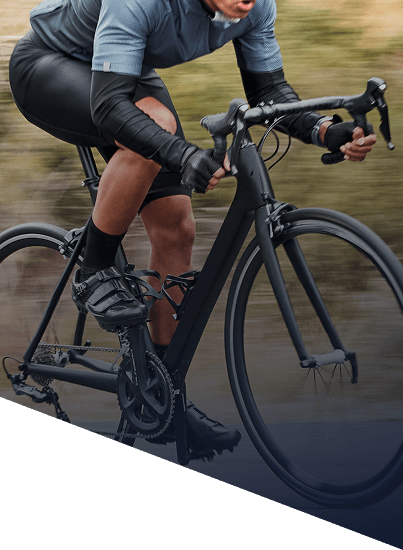
Cycling races only seem simple at first glance. In reality, it's a complex strategy: the leaders and their team-mates, the relief of the course, changes in the weather. A team may sacrifice one stage to win another. All this is interesting to study, which is why cycling lends itself perfectly to predictions. We analyse the stages so that even a novice can understand why one athlete won and another did not.

Table (1)